
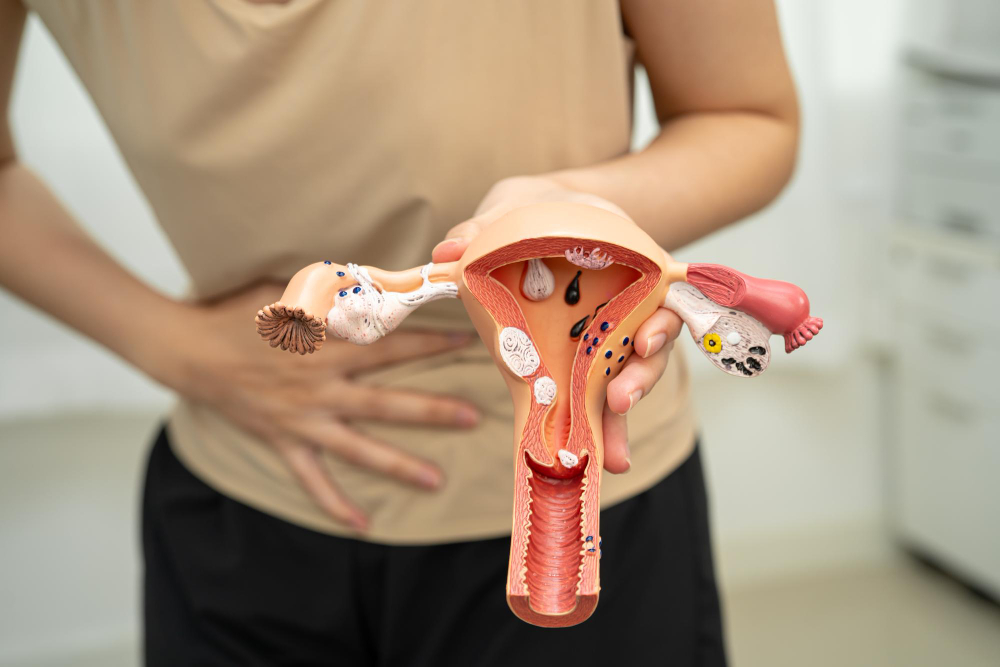
Cervical polyps are small, soft growths on the cervix. They can cause discomfort or bleeding. Many women look for gentle, natural remedies. Homeopathy for cervical polyps offers a holistic approach. It aims to support women’s health with natural care. In this blog, we will explain cervical polyps, their symptoms, and how homeopathy may help. We will also discuss lifestyle tips and when to see a doctor.
What Are Cervical Polyps?
Cervical polyps are tiny, finger-like growths on the cervix. The cervix is the lower part of the uterus. Most polyps are not cancerous. However, they can cause symptoms that need attention. Often, women do not notice them. Sometimes, they are found during routine check-ups. Although most polyps are harmless, some may cause problems. Early detection is important for women’s health.
Causes and Symptoms
Many factors can lead to cervical polyps. Below are common causes and symptoms:
Common symptoms include:
Diagnosis
Doctors usually find cervical polyps during a pelvic exam. Sometimes, they use a tool called a speculum to look inside the vagina. If a polyp is seen, the doctor may gently remove it. The tissue is then sent to a lab for testing. This helps rule out cancer or other problems. In some cases, an ultrasound or other tests may be used. Early diagnosis helps ensure proper care.
Homeopathic Approach
Homeopathy for cervical polyps focuses on natural, gentle remedies. It looks at the whole person, not just the symptoms. Homeopathic treatment for cervical polyps uses small doses of natural substances. These aim to support the body’s healing process. Some commonly used remedies include:
However, a homeopathic practitioner will select remedies based on your unique symptoms. This holistic care for women’s health aims to restore balance. Homeopathy also encourages healthy lifestyle habits.
Benefits and Limitations
Homeopathic treatment for cervical polyps offers several benefits. For example, it is gentle and non-invasive. Many women prefer natural remedies for cervical polyps. Homeopathy may help reduce symptoms and improve well-being. In addition, it focuses on the whole person, not just the disease.
However, there are some limitations. Homeopathy should not replace standard medical care for serious symptoms. Scientific evidence for homeopathy is still limited. The World Health Organization (WHO) and other health bodies recommend using homeopathy as a complementary approach, not a substitute for medical treatment.
Lifestyle and Prevention Tips
Besides homeopathic remedies, healthy habits can support women’s health. Here are some tips:
These steps may help lower the risk of cervical polyps and other health issues.
When to See a Doctor
Although homeopathy for cervical polyps can be helpful, some symptoms need prompt medical care. You should see a doctor if you notice:
Early medical advice can prevent complications. Always consult a qualified homeopathic practitioner or gynecologist for personalized advice.